
If you’ve winced at the pump lately, then you’re in good company. Diesel passed £2 a litre in October, and a lot of drivers were braced for bad news ahead of the budget. So, how will the Autumn Budget affect car costs?
In short, fuel duty stays frozen for now, road tax rises with inflation next April, and electric car drivers have a pay-per-mile charge on the way. Here’s what changes and when, so you can plan ahead and keep your car on the road with trusted car repair finance.
Key Takeaways:
- The 5p fuel duty cut now runs to 1 July 2027, with the planned inflation rise pushed back to the same date.
- Vehicle Excise Duty for cars, vans and motorcycles rises in line with RPI from 1 April 2027.
- Electric and plug-in hybrid cars will pay a mileage-based charge, eVED, from April 2028.
- A £100 million fund aims to cut the cost of local, lower-powered public chargers from spring 2027.
- Setting money aside for servicing and repairs helps you absorb whatever comes next.
Want to Plan Ahead for Your Next Car Repair Bill?
Tax and fuel are out of your hands, but servicing, MOTs and repairs can be planned for. Spread the cost with Payment Assist at a partner garage: see how it works or get in touch with our team.
Did Fuel Duty Rise in the Budget? What Was Decided
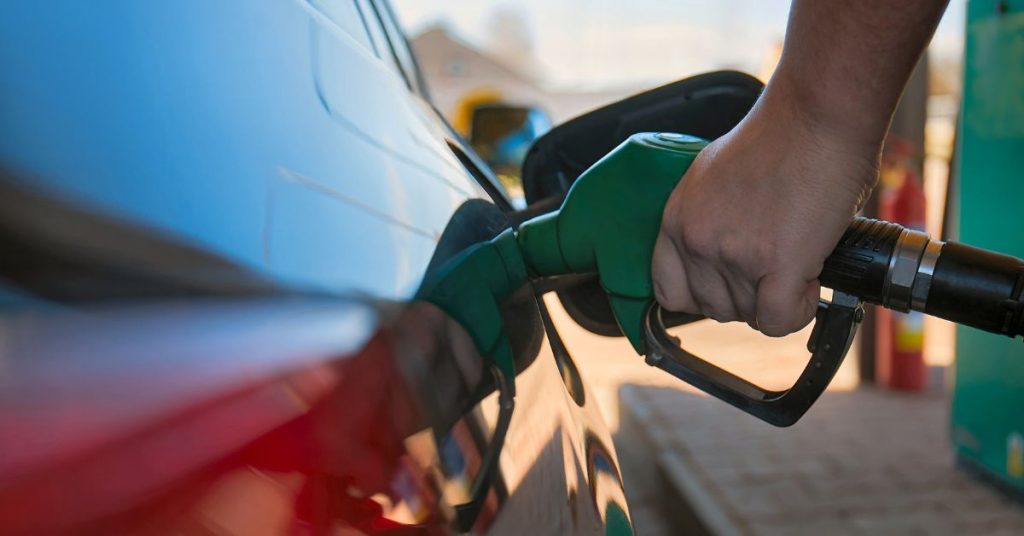
The temporary 5p-per-litre fuel duty cut was first introduced in 2022 and was due to end with 2026. That’s now been extended for a further six months to 1 July 2027. The government has also cancelled plans to add the 5p back from January 2027 and deferred the planned Retail Prices Index (RPI) increase to 1 July 2027.
The Treasury says fuel duty is as low as it has been at any point for over 16 years. It estimates that fuel duty decisions across this Parliament will have saved the average car driver £230 compared with the previous government’s plans.
Duty won’t go up before July 2027, but pump prices still follow wholesale costs. The government says it will continue to monitor fuel prices over the coming months, though, so further changes could well be in store.
If You Use Your Own Car for Work, There Are Changes
The tax-free mileage rate of 55p for the first 10,000 business miles is now permanent, and the rate above 10,000 miles rises from 25p to 35p. The government estimates someone driving 6,000 business miles will see £120 a year in additional tax savings.
What Is Changing With Vehicle Excise Duty (VED)?
Road Tax Rises With Inflation From April 2027
VED rates for cars, vans and motorcycles are set to be uprated in line with RPI from 1 April 2027. The Budget hasn’t specified any new figures, so check the rate on GOV.UK before your next renewal.
A Higher Expensive Car Supplement Threshold for Electric Cars
This change was confirmed at the 2025 Budget and took effect on 1 April 2026. Zero-emission cars with a list price above £40,000 but no more than £50,000 no longer pay the supplement on renewals from that date. The £40,000 threshold still applies to all other cars, though.
Electric Car Tax Changes Explained
Pay-Per-Mile eVED From April 2028
Electric Vehicle Excise Duty (eVED) is a new mileage-based charge for electric and plug-in hybrid cars, starting in April 2028. The GOV.UK policy paper has set the rate at 3p per mile for battery electric cars and 1.5p per mile for plug-in hybrids.
As a rough guide, 8,000 miles a year in a battery electric car works out at £240.
This Budget added detail on how it will work:
- A mileage estimation tool will be available at launch in April 2028.
- An opt-in system called ‘eVED Connect’ will use your car’s in-built connectivity, so you won’t have to report mileage manually.
- An automated refunds model is planned by 2030, covering situations such as overestimating your mileage or selling your car.
For the other side of the running-cost picture, see our guide to the challenges of electric car maintenance.
Cheaper On-Street Charging From Spring 2027
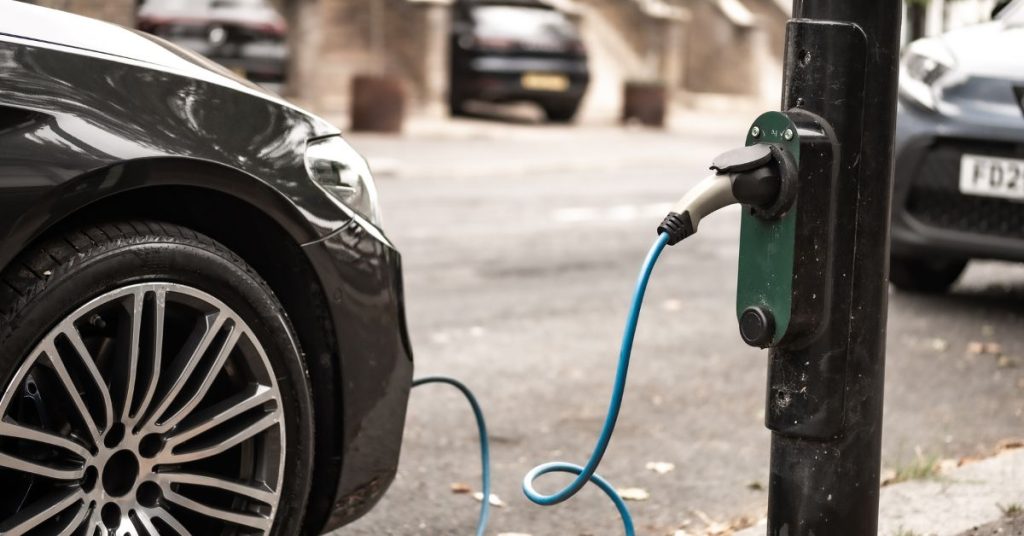
The government is putting £100 million over the next two years into reducing costs at local, lower-powered public chargers. From spring 2027, this is expected to save the average EV driver who has no home charging and charges on-street around £150 per year.
Running Costs Are Changing, So Keep Your Car Maintenance Costs Simple.
The Budget is bringing in a number of quite major changes for car running costs, but Payment Assist is on hand to make sure that car maintenance is never a hassle.
We work with over 9,000 partner garages across the UK, keeping car repair payments simple and affordable for millions of customers. When your car needs a service, MOT, new tyres or a repair, you can pay in instalments with an initial amount at the garage, then the rest interest-free over 3, 4, 6 or up to 9 months from your debit card.
Every application includes a credit check, so make sure the repayments fit your budget first. Read our Responsible Lending Policy, browse the FAQs or contact us.
Payment Assist is a credit provider. Credit is subject to status and affordability checks. Late or missed payments may affect your credit rating, and fees may apply.
FAQs
Will fuel duty go up in 2027?
Not before 1 July 2027. The Autumn Budget extended the 5p-per-litre cut for a further six months to that date and deferred the planned RPI increase to the same day. The government says it will keep monitoring fuel prices.
How will the Autumn Budget affect car costs for electric car drivers?
The biggest change is eVED, a charge of 3p per mile for battery electric cars and 1.5p for plug-in hybrids from April 2028. Before then, a £100 million fund is expected to save drivers who charge on-street around £150 a year from spring 2027.
Is car tax going up in April 2027?
Yes. VED rates for cars, vans and motorcycles will rise in line with RPI from 1 April 2027. The Budget doesn’t list the new amounts, so check GOV.UK before you renew.
How will I report my mileage for eVED?
The government says a mileage estimation tool will be ready when eVED launches in April 2028. You’ll also be able to opt in to ‘eVED Connect’, which uses your car’s built-in connectivity so mileage doesn’t need reporting manually.

Further Reading
- Budgeting for the Total Cost of Running a Car
- Preventative Car Maintenance and the Smarter Way to Pay for It
- The Real Cost of Ignoring Car Warning Signs
- Common Car Repairs Ranked by Cost