
Talk Money Week runs from 2 to 6 November 2026, and this year the Money and Pensions Service has chosen the theme It All Counts. It’s focused on small, realistic steps, and we think that understanding your credit file is a good one.
If you’ve been offered a payment plan at the garage and wondered “does buy now pay later affect your credit score?”, then you’re asking exactly the right question. The honest answer is that it can, and knowing how puts you in control. Our FAQs also explain how Payment Assist handles applications, but let’s take a closer look here.
Key Takeaways:
- Your credit file is a record of how you’ve managed credit, kept by credit reference agencies.
- Soft searches are a light-touch check, while hard searches show on your file and can count against you if you make lots of applications.
- A payment plan for a car repair is a form of credit, so it can appear on your credit file.
- Paying on time shows lenders you’re reliable, but a missed payment can stay on your file for six years.
- If money feels tight, free and impartial help is available from MoneyHelper.
Got Questions about Spreading the Cost of Car Repairs?
Understanding the process takes a lot of the worry out of it. Our How it Works page walks through each step, from finding a garage to agreeing to your quote. Our team is happy to answer questions about your plan through our contact page.
Does Buy Now, Pay Later Affect Your Credit Score?
Buy now, pay later (BNPL) is a form of borrowing. The FCA calls the short-term, interest-free kind Deferred Payment Credit. It has been regulated by the FCA since 15 July 2026 whenever the lender and the business you’re paying are different companies. Lenders offering it must be authorised and follow FCA rules.
Because it’s credit, BNPL can touch your credit file in two ways: the check a lender runs when you apply and the record of how you repay.

What is a credit file?
Your credit file (also called a credit report) lists your credit accounts, how much you owe and how you’ve repaid.
In the UK it’s compiled by four credit reference agencies, which are companies that collect this information for lenders: Experian, Equifax, TransUnion and Crediva. Your credit score is a rating based on what’s in that file.
Is A Soft Credit Check Bad For My Score?
MoneyHelper explains that lenders can run two types of check:
Soft searches are a lighter look at your file, often used to check eligibility before you apply. MoneyHelper says these don’t affect your credit score.
Hard searches are used when you formally apply for credit. They show on your credit report, and several in a short space of time could count against you, because lenders may think you’re relying heavily on borrowing.
So a soft check on its own is nothing to lose sleep over.
Before applying for any credit, it’s worth finding out which type of search the lender uses. Our FAQs explain that we carry out a soft credit check, also known as a quotation search, as part of each application.
Does Paying For A Car Repair In Instalments Show On My Credit File?
It can. Separate from the search, the agreement itself may be reported to credit reference agencies. We share information such as your balance, payment history, any missed payments and when the plan is repaid.
A future lender may then see an active plan on your file and factor it into their decision. Whoever you borrow from, check the lender’s terms before you apply so you know what will be reported.
Paying on Time vs Missing a Payment
When you pay on time
MoneyHelper notes that a history of paying on time and as agreed helps show lenders you’ve been reliable. A simple habit helps here: make sure there’s enough in your account before each payment date.
When a payment is missed
Negative information such as a missed payment usually stays on your credit report for six years, and it can’t be removed sooner if it’s accurate. Late fees may also apply.
If you think a payment might be a problem, speak to the lender before the date rather than after.
Why we’re straight with you about credit
Any credit you use can show on your file, and how you manage it matters. That’s why you won’t see Payment Assist promise that a plan leaves your credit file untouched. The new rules point the same way: lenders are now expected to check customers can afford to repay before offering credit.
Talk money, and get free help if you need it
Talking about money early really does make a huge difference. If things feel stretched, MoneyHelper offers free, impartial guidance on budgeting and dealing with debt. You can also check your credit report for free before you apply for anything.

Want to Keep Your Car on the Road? Spread the Cost with Payment Assist.
Payment Assist works with partner garages across the UK on repairs, servicing, MOT work and tyres. You pay the first instalment at the garage, and the rest is collected automatically from your debit card with 0% interest. Find a partner garage near you, or get in touch with our team to find out more.
Payment Assist is a credit provider. Credit is subject to status and affordability checks. Late or missed payments may affect your credit rating, and fees may apply.
FAQs
Does buy now pay later affect your credit score?
It can. BNPL is a form of credit, so the agreement may be reported to credit reference agencies and appear on your credit file. Paying on time shows lenders you manage credit reliably, while missed payments can stay on your file for six years.
Is a soft credit check bad for my credit score?
No. According to MoneyHelper, soft checks don’t affect your credit score and are often used to check eligibility. Hard checks are used when you formally apply. They show on your file, and lots in a short time may count against you.
Will paying for a car repair in instalments show on my credit file?
It may do. If the lender reports to credit reference agencies, your plan, balance and repayment history can appear on your file, where other lenders could see it. The lender’s terms should explain what’s reported.
What should I do if I can’t make a BNPL payment?
Contact the lender as soon as possible, ideally before the payment is due. Late fees may apply, and a missed payment can affect your credit file. For free, impartial support, MoneyHelper can help.

Further Reading
- How to Choose Car Repair Finance Safely
- New BNPL Rules for July 2026 Explained: What Drivers Need to Know
- Cost of Living & Flexible Payments: What to Do When You Can’t Afford a Car Repair
- The Grey Area: What Car Repairs Aren’t Covered by Insurance?
[JW1]https://www.shutterstock.com/image-photo/happy-mature-business-woman-professional-bank-2479065569?trackingId=07c552fd-5a95-4244-ab40-b54c160a8d0f&listId=searchResults
When your car starts making a worrying noise, the obvious step is to look for a nearby garage and go straight to the star ratings. But should you choose a garage based on reviews alone? Reviews are a really useful starting point, but they work best when you read them carefully and weigh them up alongside other factors. Don’t neglect qualifications, quotes, warranties and payment options. If an unexpected bill is part of the worry, it helps to know how spreading the cost of a repair works before you book.
Key Takeaways
- Reviews are a helpful first filter when you treat them as one piece of evidence among several.
- Recent, detailed reviews that describe specific jobs tell you far more than a headline star rating.
- Sudden bursts of vague five-star praise and copy-and-paste replies deserve a second look.
- Word-of-mouth, accreditations, written quotes and warranties fill in what reviews leave out.
- Asking about payment options up front means a surprise bill needn’t delay safety-critical work.
Found a Garage You’re Happy With? Payment Assist Helps You Spread the Cost.
Knowing how you’ll pay makes it easier to say yes to the work your car needs. See how to spread the cost with Payment Assist or find a partner garage in your area.
How Useful Are Garage Reviews Really?
Trusting other drivers feels natural, and you’re far from alone. The Competition and Markets Authority notes that 89% of UK adults use online customer reviews when researching a product or service. Reviews are genuinely useful, but a star rating only tells part of the story; a well-rated garage can still be the wrong fit for your car or the job it needs.
Reviews are definitely good at describing the experience: whether the garage kept in touch, stuck to the quote and had the car ready on time. They’re usually not as detailed when it comes to technical work, because most customers can’t see what happened under the bonnet.
What to Look for in Garage Google Reviews
Recent, detailed and specific
The most useful reviews mention the actual job (a failed MOT, new brake pads, a clutch replacement), what it cost compared with the quote and how long it took. Recency matters too, as garages change staff and owners.
Patterns over one-offs
One grumpy review from years ago tells you little. Five recent reviews saying the final bill crept above the quote tell you a lot.
How the garage replies
A calm, specific reply to a complaint shows you how the garage is likely to treat you if something goes wrong. Defensive or identical responses to every review are worth noting and probably aren’t a good sign.
Are Garage Reviews Trustworthy?
Most are genuine, and the rules have tightened. Fake reviews and reviews that hide an incentive have been banned under UK consumer law since April 2025. The Competition and Markets Authority’s fake reviews guidance also expects sites that publish reviews to take steps to prevent and remove them.
Some still slip through, so keep an eye out for:
- A cluster of five-star reviews posted within a few days
- Vague praise such as “great service, highly recommend” with no detail about the job
- Reviewers who have only ever left one review
- Near-identical wording across several reviews
How to Choose the Right Garage: What Else to Weigh Up
Word-of-mouth recommendations
A friend or neighbour who has used the same garage for years is hard to beat. Ask how the garage handled something that went wrong, because that’s where the best garages show their worth.

Clear, written quotes
A good garage explains which work is urgent and which can wait, puts the price in writing and calls you before doing anything extra.
Good communication and warranties on work
Ask how long parts and labour are guaranteed for, and get the warranty in writing.
Qualified technicians and accreditations
Accreditation gives you independent reassurance. Over 7,500 businesses are signed up to The Motor Ombudsman’s Trading Standards-approved codes, and its Service and Repair Code was updated in June 2025. You can also search the IMI Professional Register for technicians whose skills have been verified.

Customer-Friendly Options, Including Spreading the Cost
Repair bills rarely arrive at a convenient moment, so a garage that’s upfront about payment options takes real stress out of the visit.
At many garages you can pay in instalments with Payment Assist, so essential work like brakes or tyres can go ahead when it’s needed. Treat it as one option to weigh up: get a clear quote first, check the repayments fit comfortably in your budget and only spread what you need to.
Find a Garage You Can Rely On
Payment Assist works with thousands of partner garages across the UK. When an MOT, service or repair costs more than you’d planned, you can spread the cost with Payment Assist at the garage. You pay an initial amount on the day and the rest in monthly instalments.
Your car gets the work it needs without the whole bill landing at once. Find a partner garage near you or explore Payment Assist.
Payment Assist is a credit provider. Credit is subject to status and affordability checks. Late or missed payments may affect your credit rating, and fees may apply.
FAQs
Are garage reviews trustworthy?
Most garage reviews are genuine. UK law has banned fake and concealed incentivised reviews since April 2025, although some still get through. Favour recent, detailed reviews with consistent themes and be wary of sudden bursts of vague five-star praise.
Should I choose a garage based on reviews alone?
Reviews are a good way to build a shortlist. Alongside them, ask people you trust for recommendations and look for accreditation such as the Motor Ombudsman. Ask for a written quote and warranty details before agreeing to any work.
What should I look for in garage Google reviews?
Look for recent reviews that describe specific jobs, prices compared with quotes and how any problems were resolved. Repeated themes matter more than a single comment, and the way the garage responds to criticism is a useful clue.
How can I tell if a garage is reputable?
A reputable garage gives clear written quotes, explains which work is urgent, asks before doing anything extra and puts warranties in writing. Accreditation to a Trading Standards-approved code, such as the Motor Ombudsman’s, adds reassurance and gives you a route to resolve disputes.

Further Reading
- How to Choose Car Repair Finance Safely
- Cost of Living & Flexible Payments: What to Do When You Can’t Afford a Car Repair
- The Real Cost of Ignoring Car Warning Signs
- The Grey Area: What Car Repairs Aren’t Covered by Insurance?
If you run a dealership, garage, bodyshop, or fast-fit, chances are you’re already taking everyday customer payments in several ways. It might be a card terminal for one customer, a separate finance provider for the next or another login to check whether last week’s invoice has settled.
IGNITION is Payment Assist’s new payment platform, designed to bring payment and finance options together into one place.
Key Takeaways:
- One login, fewer moving parts: Manage payments, finance and reporting in one place
- More ways to pay: Cards, digital wallets, bank transfers and flexible finance
- Less chasing, more doing: Collect customer instalments directly
- Built for your business: From independent workshops to multi-site dealer groups
Want to See IGNITION for Yourself?
IGNITION is available now for garages, bodyshops, dealerships and fitters across the UK. Explore the full product breakdown or apply to get started with Payment Assist.
Where IGNITION Fits into Your Working Day
When an unexpected repair changes the conversation
A customer books in for a service, then learns they also need essential repairs. They rely on their car, but the total is more than they budgeted for. Your service adviser now has two things to explain: what needs doing and how the customer could pay.
With everyday payments and flexible finance together in IGNITION, your team can discuss the available options alongside the estimate.
Explain the urgent work, make the costs clear and give the customer space to consider their options.
When everyone arrives to collect at once
It’s late afternoon, the phone is ringing and three customers are waiting for their keys. One wants to pay by card, another uses Apple Pay, and a third wants to discuss spreading the cost. Switching between providers in this way adds work at the busiest point of the day.
Using IGNITION brings payment options together into one simple platform, helping your front desk handle multiple preferences through a more consistent process. Customers can make payments in person, over the phone, or even through a secure payment link. This gives you and them maximum flexibility without the need to manage numerous payment providers.
When yesterday’s payments become today’s admin
Keeping ahead of the game means knowing exactly what has already been paid and what needs attention. Across several locations, that can mean gathering updates from different people and multiple systems.
Centralised payments, finance and reporting give your team one place to review activity. IGNITION also offers the capability of collecting customer instalments directly, reducing the follow-up work that your staff need to handle.
That gives whoever manages your accounts more time to investigate genuine queries and keep the day moving.
Simple, Fast and Hassle-Free
Thanks to secure, PCI DSS-compliant payment processing, competitive transaction fees and fast settlement, we’ve removed the complexity of managing separate payment solutions. With IGNITION, you can be safe in the knowledge that your payment admin is now simpler, faster and easier than ever before.
Payment Assist Ltd is authorised and regulated by the FCA
As part of the AIM listed Manx Financial Group, Payment Assist is regulated by the FCA. As a trusted BNPL and Retail Finance provider, we serve more than 9,000 dealerships, garages, bodyshops and fast-fits across the UK.
The finance options built into IGNITION have been designed around this framework from the outset, not retrofitted to meet it.
From Car Repair Finance to a Full Automotive Payments Platform
For more than a decade, Payment Assist has provided automotive businesses with a comprehensive range of flexible finance solutions. This has funded more than £1 billion in customer advances for over a million drivers.
IGNITION is the next step forward in our strategic growth journey, providing an all-in-one platform to manage customer payments and help customers manage the cost of repairs.
Ready to Bring Ignition and Payment Assist Together for Your Business?
Payment Assist helps garages, bodyshops, dealers and fitters to streamline their day-to-day payment admin, while providing customers with a fair way to spread the cost of essential repairs. If you’re currently working with multiple providers, get in touch with the Payment Assist team today and see IGNITION for yourself.
Payment Assist is a credit provider. Credit is subject to status and affordability checks. Late or missed payments may affect your credit rating and fees may apply.
FAQs
What is Ignition by Payment Assist?
IGNITION is our all-in-one payment platform, providing dealerships, bodyshops, garages and fitters with a simple solution to manage customer payments.
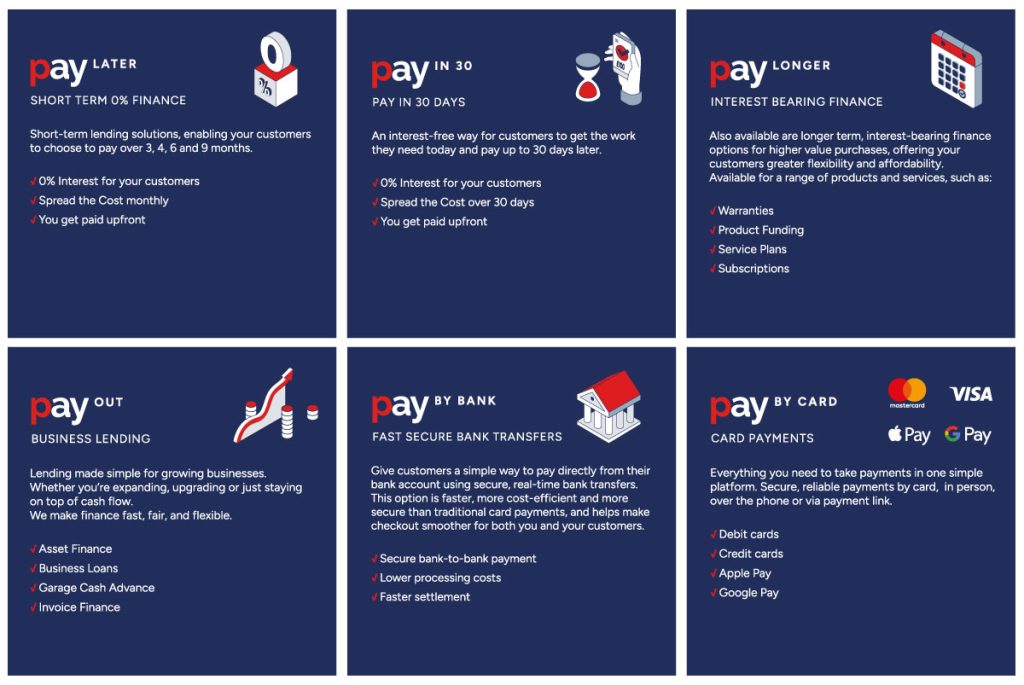
Designed to make transactions faster, simpler and easier, the platform brings together everyday payment methods, including debit and credit cards, Apple Pay, Google Pay and Pay By Bank, with a range of flexible finance options. Customers can make payments in person, over the phone or through a secure payment link, giving retailers greater flexibility without the need to manage multiple payment providers.
For automotive businesses, the platform provides access to a range of options designed to help customers manage the cost of repairs, servicing and other automotive purchases. These include interest-free short-term finance over three, four, six and nine months, Pay in 30 Days, longer-term interest-bearing finance and a range of business lending products.
IGNITION also incorporates Pay by Bank, which allows customers to make secure bank-to-bank payments directly from their account. This provides faster settlement and lower processing costs compared to traditional card payments, while ensuring a far simpler payment experience.
How does Ignition help a garage get paid faster?
Whichever payment method a customer chooses, card, bank transfer or one of Payment Assist’s finance options, the garage is paid upfront and doesn’t have to chase the customer for instalments afterwards. Settlement and reporting sit in the same dashboard.
Is Buy Now Pay Later through Payment Assist regulated?
Yes. Payment Assist is authorised and regulated by the FCA under firm reference number 622544. Affordability checks are built into every application.

Further Reading
- The New Benchmark: How Payment Flexibility Affects Customer Decisions
- Payment Assist is Lowering its Rates to Help Dealerships Grow
- Why Simple Car Repair Finance Leads to Faster Approvals
- Payment Assist Reaches £1 Billion in Customer Advances
When a customer turns down a service quote, it’s usually because they’re taking the work to an independent garage instead. Getting a clear idea of the independent garage vs. main dealer differences drivers weigh up in that pause is one of the most useful things an aftersales team can do.
We’ve worked with dealerships, garages and workshops across the UK for years, and the pattern is consistent: drivers generally choose based on the job in front of them and what matters most to them that day.
Key Takeaways
- Drivers compare dealers and independents on cost, convenience, trust and service, and the winner changes with the job.
- Independents usually win on perceived value and familiarity.
- Main dealers hold the edge on manufacturer training, genuine parts and complex diagnostics.
- Dealers can close the gap by explaining their value clearly and making bills easier to approve.
- Flexible payments are one practical lever alongside transparency, convenience and follow-up.
Want to help more customers say yes at the service desk?
When customers can spread the cost with Payment Assist, more “not today” conversations can turn into booked work. See how our business products fit your aftersales process, or talk to the team today.
Independent Garage vs Main Dealer Differences that Drivers Compare
Cost and Perceived Value
Price comes up first, and running a car has become more expensive. What Car?’s 2025 servicing survey of 9,900 owners found average annual maintenance costs have risen by a third in a decade, from £403 to £606. The same research found general independent workshops outscored both brand specialists and franchised dealers on perceived value for money.
Convenience and Local Relationships
Independents trade on familiarity. Customers often deal with the same owner or technician every visit, and that connection builds loyalty and a sense of community that a busy dealer reception can struggle to match.
Trust, Training and Genuine Parts
This is where main dealers take the lead. Franchised workshops have manufacturer training, dedicated diagnostic equipment, technical bulletins and genuine parts. NFDA chief executive Sue Robinson has pointed to dealers’ brand-specific knowledge and equipment investment as real advantages. The latest Automotive Education Report shows fewer than 12,000 technicians hold an ADAS-related qualification, while 27% of UK vehicles have Level 2 driver assistance features. So the qualification status of an engineer at a dealership is likely to be more comprehensive.

Warranty Protection
Many drivers assume only a main dealer can keep their warranty valid.
UK block exemption rules allow independents to service in-warranty cars, provided they follow manufacturer standards and use suitable parts. Dealers who lean on warranty worries alone risk losing credibility once the customer learns otherwise.
Main Dealer vs Independent Garage Services in the UK: It Depends on the Job
If you ask a driver the really simple question of where they would take their car, the most common answer would be “it depends”. What Car? found that most new car buyers stay with franchised servicing for the first three to five years, yet 72% of UK cars are serviced outside the franchise network.
Satisfaction varied sharply by brand, which tells dealers the gap really is theirs to close.
In practice, the choice often breaks down by job type:
- Warranty, recall and software work: main dealers are the natural home.
- Complex diagnostics, EV work and ADAS calibration: dealers hold a strong hand, though specialist independents compete.
- Routine servicing, MOTs, tyres and brakes on older cars: independents feel familiar and affordable.
Car Servicing Options for Dealerships: Where to Close the Gap
Explain the Value Behind the Quote
Video health checks, photos of worn parts and a clear note on genuine parts and trained technicians turn an abstract price into a visible benefit.
Match Independents on Convenience
Collection and delivery, courtesy cars, online booking and evening key drops remove the friction that sends customers down the road. Named advisors who follow up build the relationship independents rely on.
Make the Bill Easier to Approve
A £700 brake and suspension bill feels very different when the customer can pay over time with Payment Assist.
Offering it at the service desk gives customers a practical way to approve recommended work now, including amber items they might otherwise defer. You get paid upfront, so cash flow stays predictable. Our piece on how payment flexibility affects customer decisions goes into more detail.

Give Your Aftersales Team More Ways to Win the Work
Payment Assist is authorised and regulated by the Financial Conduct Authority and works with more than 9,000 UK partner businesses. Customers can pay in instalments with Payment Assist over 3, 4, 6 or 9 months, while our Ignition platform brings applications, card payments and reporting into one login. Explore our business products or get in touch today.
Payment Assist is a credit provider. Credit is subject to status and affordability checks. Late or missed payments may affect your credit rating, and fees may apply.
FAQs
What are the main differences between an independent garage and a main dealer?
The main differences are cost, specialism and relationship. Main dealers offer manufacturer-trained technicians, genuine parts and brand-specific diagnostics, which usually means higher labour rates. Independents tend to have lower overheads and a more personal service.
Do I have to use a main dealer to keep my car’s warranty valid?
Usually not. UK block exemption rules let independent garages service cars under manufacturer warranty, provided they follow manufacturer standards and use suitable parts. Some lease or finance agreements may still require main dealer servicing.
Why do drivers choose independent garages over dealerships?
Most choose independents for perceived value and a local relationship. What Car?’s 2025 research found general independents scored the highest of all workshop types for value for money.
How can dealerships win more service work from independent garages?
Dealerships win more work by showing the value behind their prices and removing friction from the decision. Video health checks, convenient booking and named advisors all help, and flexible payments with Payment Assist can help customers approve work rather than delay it.

Further Reading
- The New Benchmark: How Payment Flexibility Affects Customer Decisions
- What Makes a Customer Recommend Your Garage?
- Building Seamless Finance Around the Systems Dealers Already Trust
- Why Are Garage Labour Costs Increasing & What Businesses Can Do
Ask any garage owner what keeps the workshop full, and most will say the same thing: repeat customers and word of mouth.
What makes a customer recommend a garage comes down to trust, clear communication and the small touches that make someone feel properly looked after, like offering car repair finance.
If you get that right, then you build the sort of reputation that brings new faces through the door without spending a penny on adverts.
Why Customers Recommend Garages to Friends and Family
Word of mouth still carries more weight in the motor trade than any billboard.
A survey of 2,000 UK drivers found that over a third stay loyal to a garage because of the relationship they’ve built with the people who work there. Almost three in ten simply because their family has always used that garage. That’s loyalty built on feeling valued.
Trust matters just as much once the bonnet is up.
Research has found that 83% of UK motorists trusted the repair recommendation made by their last garage. Just over half pointed to years of using the same business as the reason why.
Customers who question a recommendation tend to do so because they feel out of their depth or worried about being overcharged, as much as anything else.
That’s the real answer to why customers recommend garages to friends. They’re rarely talking about torque settings, but they are talking about how they were treated, whether the person on the front desk remembered their name and whether the quote on the phone matched the bill at the end.

How Garages Build Reputation
Reliability now outranks price for most drivers, with 42% naming it their top priority against just 19% who lead with cost. Clear, upfront pricing and plain-English explanations of what’s actually wrong with a car do more for your name than any discount. That’s why transparency around cost and a straightforward explanation of the fault were cited by 44% and 42% of motorists, respectively, as reasons they trusted their garage.
Consistency plays a big part too.
A driver who gets the same standard of service on their third visit as their first is far more likely to mention you unprompted, whether that’s at the school gates or in a Google review.
It’s also worth remembering that plenty of customers only ever contact a garage once something’s gone wrong, so how you handle that stressful first conversation often decides whether they ever come back, let alone recommend you.
Garages that build this kind of reputation are, in effect, running a referral machine that costs nothing beyond doing right by the person in front of you.
Want to Offer a Service that Builds Your Garage’s Reputation?
See how flexible finance from Payment Assist helps garages build trust and turn jobs into repeat business. Sign up or get in touch today.
What Makes a Garage Stand Out from Competitors?
With the Independent Garage Association now representing more than 4,500 workshops across the UK, solid mechanical work is the bare minimum.
Repair costs are climbing fast too, with warranty claims data showing costs for common jobs like alternator repairs up 23% year on year, meaning bigger bills land on customers who are already watching their budgets.
A garage that can soften that blow while explaining exactly why the work is needed stands head and shoulders above one that simply hands over an invoice.
Online reputation matters more than ever here too.
Google remains the platform UK consumers turn to most often when researching a local business, used by 83% of people checking reviews before they commit. A handful of thoughtful, recent responses to feedback signals a business that takes its customers seriously, and that gets noticed long before anyone rings to book a service.

Payment flexibility has become one of the biggest differentiators.
Offering an interest-free way to spread the cost of a big bill, as we covered in the past, removes one of the biggest reasons customers hesitate to say yes to essential work. Hesitation rarely turns into a five-star review.
Turning One Good Job Into a Recommendation
A single positive experience is one of the most powerful reputation boosters ever.
Someone who feels genuinely looked after tells their spouse, mentions it to a colleague or leaves a review that nudges the next undecided driver towards booking.
That ripple effect is how garages build a reputation that compounds over years rather than fades after one good week.
Ready to Give Customers More Reasons to Recommend You?
Payment Assist has helped garages across the UK spread the cost of repairs for customers since 2013, funding over £1 billion and supporting more than 1.4 million drivers along the way.
Offering interest-free, fee-free Buy Now, Pay Later finance takes the sting out of unexpected bills, removing one of the biggest reasons customers hesitate or shop around.
Garages using Payment Assist get paid in full upfront, with no chasing invoices and no cash flow risk. If you’re ready to give your customers one more reason to recommend you, sign up for Payment Assist today or get in touch with the team to find out more.
Payment Assist is a credit provider. Credit is subject to status and affordability checks. Late or missed payments may affect your credit rating and fees may apply.
FAQs
What makes a customer recommend a garage?
Trust, clear communication and consistent service matter more than price. Customers recommend garages that explain repairs honestly, stick to their quotes, and make them feel valued rather than processed.
Why do customers recommend garages to friends?
People share experiences that made them feel confident and cared for. A garage that communicates clearly and treats customers fairly earns the kind of trust worth passing on to someone else.
How can a garage build a better reputation?
Consistency, transparent pricing and responding to online reviews all help build a name customers trust. Offering flexible payment options also removes friction that might otherwise put people off recommending you.
What makes a garage stand out from competitors?
Beyond quality repairs, garages stand out through clear pricing, a strong online reputation, and extras like interest-free finance that make big bills easier for customers to manage.

Further Reading
- How Buy Now Pay Later Boosts Dealership Customer Retention
- Repair or Replace a Damaged Car? Understanding Your Customers’ Tipping Point
- The New Benchmark: How Payment Flexibility Affects Customer Decisions
- How to Choose Car Repair Finance Safely
Most drivers assume that once the premium’s paid, any repair bill that lands is somebody else’s problem. The truth can actually be a bit messier than that. There’s a whole category of common repairs that fall outside car insurance cover, and understanding what car repairs aren’t covered by insurance UK-wide is the first step to avoiding a nasty surprise on the garage forecourt.
Wear and tear, mechanical failure and general old-age gremlins in your motor rarely get a look-in from your insurer, and that’s exactly when drivers have to pay for repairs out of pocket. Knowing what to do when insurance won’t pay for repairs can save you hundreds, sometimes thousands, and it’s this in-between moment, bill in hand and insurer unmoved, where a decent car repair finance option earns its keep.
Why the Car Insurance Grey Area Exists
Your car insurance policy exists to protect you from the unexpected, things like crashes, fire, theft and storm damage, rather than acting as a maintenance plan.
According to Howden Insurance, everyday wear and tear such as worn brake pads sits outside standard cover, and breakdowns caused by a car’s age or lack of upkeep are treated much the same way. Gearbox failure is a classic example that catches people out, usually filed under wear and tear rather than anything an insurer will touch.
Aviva backs this up too, flagging that everyday scenarios like undeclared modifications can also knock a claim back.
The pattern holds across every insurer: cover follows the event, not the part. A cambelt that snaps from age is on you. The same cambelt failing because a tree came down on the bonnet in a storm is an entirely different claim.
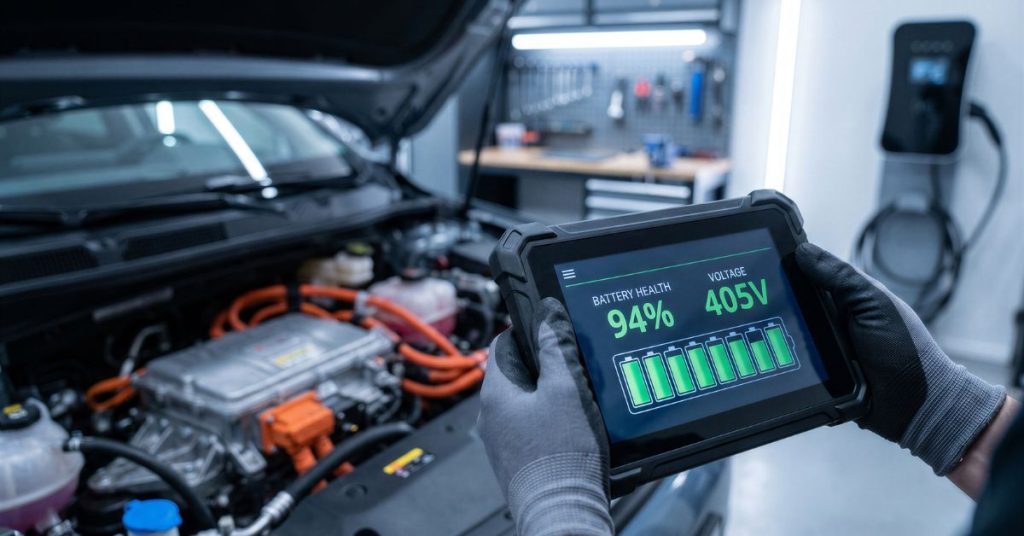
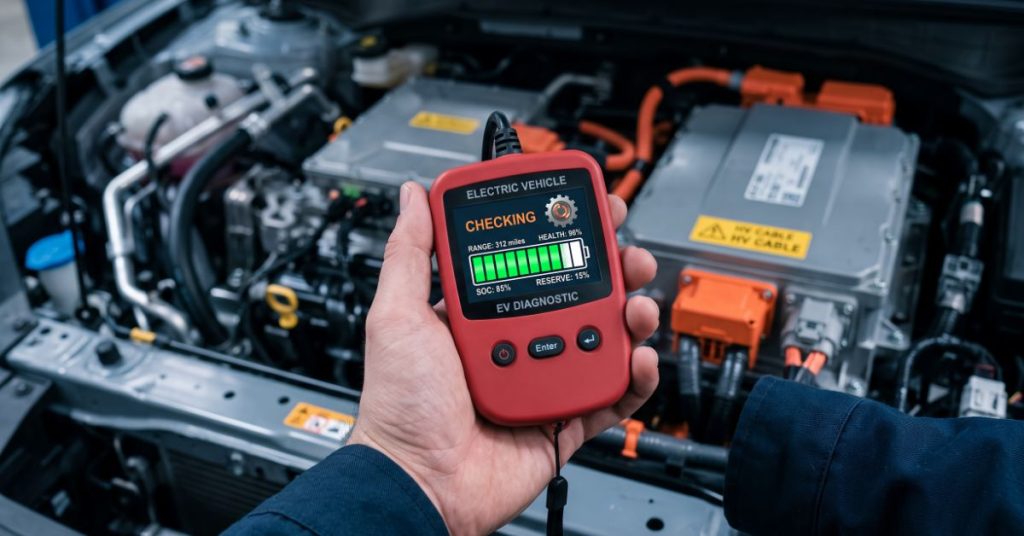
In practice, that means the repairs drivers dread most, clutches, timing belts, exhausts, batteries and worn discs and pads, sit squarely in the grey area. These are the jobs a garage will describe as essential rather than accident-related, and they’re rarely cheap. A timing belt change alone typically runs into several hundred pounds, and the cost of ignoring one dwarfs the repair bill if it snaps mid-journey.
Need Help Spreading the Cost of a Repair Insurance Won’t Touch?
Payment Assist lets you spread wear-and-tear repair bills over interest-free monthly instalments. Find a partner garage near you, or get in touch to find out more.
Common Repairs that Fall Outside Car Insurance Cover
Some of the priciest bills drivers face fall squarely into this blind spot. Research from the RAC found that two-thirds of UK drivers were hit with an unexpected repair bill in the past year, with the average now sitting at £650.
Tyres top the list as the most common unexpected cost, followed by brakes, suspension and battery problems. None of that is typically covered by comprehensive insurance unless a specific insured event, such as an accident or vandalism, caused the damage.
Potholes sit in their own murky patch of the grey area.
Hit one and the instinct is to reach for your insurer, but the smarter first move is usually the local council, since highway authorities have a legal duty to keep roads in a safe condition. Council claims are far from guaranteed, mind. Success rates swing wildly between local authorities, and plenty get knocked back if the council can show it inspected and maintained the road properly.
The common thread running through all of this is timing.
A repair that’s cheap to sort early can spiral into something far pricier if it’s left, which is exactly why so many drivers end up needing a way to pay that doesn’t depend on an insurer saying yes.
What To Do When Insurance Won’t Pay For Repairs
If your insurer won’t cover a repair, you’re not without options.
Start by getting a written quote from the garage, so you know exactly what you’re dealing with and why. Check whether the car’s still under a manufacturer or extended warranty too, since gearbox and engine faults are sometimes picked up there even when your insurance says no.
If the fault leaves the car unsafe or likely to fail its MOT, sorting it isn’t optional, whatever route you take to pay for it.
Trying to save a few quid by doing the job yourself is tempting when a bill lands out of nowhere, but a botched fix can end up costing more than the original job, void a warranty, or fail an MOT outright. A safer route for most drivers is simply asking the garage whether they offer a way to spread the cost. Interest-free finance has become a common fixture at UK garages precisely because insurance leaves such a wide gap between what’s covered and what isn’t.
Facing Repair Costs That Aren’t Covered By Your Insurance?
Payment assist helps customers spread the cost of vehicle repairs and servicing through more than 9,000 partner garages and dealerships across the UK.
If your repair isn’t covered by your insurer, you could spread the cost over 3, 4, 6, or up to 9 months with 0% interest free finance from Payment Assist.
Find a Payment Assist partner garage near you, or get in touch today.
Payment Assist is a credit provider. Credit is subject to status and affordability checks. Late or missed payments may affect your credit rating and fees may apply.
FAQs
What car repairs aren’t covered by insurance in the UK?
Standard car insurance usually excludes wear and tear, mechanical failure from age, poor maintenance and pre-existing faults. Only damage from an insured event, such as an accident, fire or theft, tends to be covered.
Why won’t my insurer pay for a mechanical repair?
Insurance covers unexpected, insured events rather than gradual deterioration. A worn clutch or tired battery is treated as maintenance, which sits outside a standard comprehensive policy.
Can I get finance for a repair my insurance won’t pay for?
Yes. Many UK garages offer interest-free finance, such as Payment Assist, letting drivers spread the cost of repairs insurance won’t cover over several months instead of paying it all upfront.
Does an extended warranty cover what insurance doesn’t?
Sometimes. Warranties cover mechanical and electrical faults after a manufacturer’s cover ends, though terms vary between providers, so it’s worth checking exclusions closely first.

Further Reading
- Cost of Living & Flexible Payments: What to Do When You Can’t Afford a Car Repair
- Why Drivers Delay MOT Fixes & How 0% Car Repair Finance Can Help
- The Danger of DIY Car Repairs: Why They Cost More in the Long Run
- How to Choose Car Repair Finance Safely
The reason why simple car repair finance leads to faster approvals comes down to one thing above all else: clarity.
When the process is clear and the costs are upfront, people decide quicker. Drivers say yes sooner, garages get paid faster and nobody’s left confused at a quote because they didn’t read the small print.
This is how a clear finance process improves customer experience, and it matters a lot at the moment. Repair bills are getting higher, and plenty of motorists are putting off work they genuinely need doing because they’re not sure how to pay for it. A finance option that’s quick to understand removes that hesitation.
The Problem: People Freeze When Money Feels Uncertain
Car repairs land at the worst possible moment, and they’re not cheap.
The average unexpected repair bill now sits at around £650, according to the RAC’s 2025 Report on Motoring, and two-thirds of drivers were hit with a surprise cost in the past year. Worse still, the same study found that three-quarters of motorists say they’d find it difficult to afford an unexpected bill at all.
The long and short of it is that, when money feels tight, people put off essential car repairs and even MOT tests. So it’s crucial that you have a transparent car finance journey to help drivers realise how much money they can access to keep their cars on the road.

Why Clarity Speeds Up the Yes
In any user or buyer journey, complexity kills decisions.
When someone’s already stressed about a bill, every extra form field, every unexplained fee and every “we’ll let you know in a few days” is another reason to walk away and leave the car unfixed.
Three things make finance feel simple, and each one shortens the gap between quote and decision.
First, plain language about cost.
People want to know the total, the monthly amount and when it ends, all stated upfront.
Hidden or last-minute charges are among the most-cited reasons shoppers bail at the final step, and finance is no different.
Tell someone, “£600 over six months, interest-free, that’s £100 a month,” and they can decide in seconds. Make them hunt for the real number and they’ll hesitate.
Second, a short, obvious approval journey.
The fewer hoops, the faster the answer.
A quick, single-step process beats a drawn-out application every time, and that speed is exactly what makes car repair finance easy to use for someone standing at the garage counter.
Third, no nasty surprises.
Trust is built when what you’re told at the start matches what happens at the end.
When the price is agreed upon upfront and stays fixed, when there’s no interest creeping in and no fees appearing later, the customer relaxes and the decision becomes easy.
A transparent car finance journey for drivers is one where the person never has to wonder what they’ve actually signed up to.

Looking to Provide Car Repair Finance That’s Easy to Use?
Payment Assist already partners with thousands of UK garages and dealerships to offer interest-free finance with quick approval and no setup fees. Get in touch to find out how.
Transparent Car Repair Finance Makes Commercial Sense
Obviously when a repair gets declined on cost, that’s lost revenue and a customer driving away unhappy, possibly to come back later with a far bigger, more dangerous problem.
Indeed, delaying basic repairs frequently turns small, affordable fixes into major mechanical failures costing thousands.
A clear, fast finance option flips that. The driver gets the work done now, the garage gets paid the full amount upfront, and there’s no awkward payment-chasing afterwards.
Crucially, a good finance partner takes the cash-flow risk off the garage entirely.
The simpler the journey at the counter, the more customers say yes, and the more red-flagged work actually gets authorised rather than postponed.
For dealers and dealer groups handling volume, that conversion difference adds up fast across a year.
It also protects the relationship.
A customer who felt the finance was honest and easy walks away trusting both the garage and the lender. One who felt confused or stung does the opposite. In a market where most drivers are now shopping around harder and keeping cars longer, that trust is worth a lot.
Want to Offer Your Customers a Finance Journey That’s Actually
Simple?
At Payment Assist, we’re proud to be one of the UK’s leading names in automotive aftercare finance. As an FCA-regulated provider, we’ve funded over £1 billion for drivers across thousands of partner businesses.
The whole offering is built around clarity and speed: interest-free BNPL that lets customers spread a repair into manageable instalments with the price fixed upfront, plus longer-term retail finance for bigger jobs like warranties and service plans.
Garages get paid in full upfront with no payment chasing, and the sign-up is free with no monthly fees. If you run a garage or dealership and want a finance process that helps customers decide quickly rather than walk away, get in touch with us today to find out more.
Payment Assist is a credit provider. Credit is subject to status and affordability checks. Late or missed payments may affect your credit rating and fees may apply.
FAQs
Why does simpler car repair finance lead to faster approvals?
When costs are clear, terms are upfront and the application is short, drivers can decide in seconds rather than stalling. Removing confusion and hidden fees is what speeds up the yes.
What makes car repair finance easy to use?
A short approval journey, plain-language pricing showing the total and monthly amount, no interest, no hidden fees, and a fixed price agreed before you commit. The fewer surprises, the easier it is.
How does a clear finance process improve customer experience?
It builds trust. When what a driver is told at the start matches what happens at the end, they feel confident, complete the repair sooner, and leave happy with both the garage and the lender.
Does offering finance help garages as well as drivers?
Yes. Drivers get essential work done now, garages get paid the full amount upfront with no payment chasing, and more recommended repairs get authorised rather than postponed.

Further Reading
Why Responsible Buy Now, Pay Later Works for Car Repairs
How BNPL Car Repair Help Families, Carers, and Key Workers
Preventative Car Maintenance and the Smarter Way to Pay for It
Payment Assist Partners with Purchase Direct to Bring Interest-Free Car Repair Finance to Millions
From 15th July 2026, the Financial Conduct Authority (FCA) Buy Now, Pay Later (BNPL) regulation changes bring BNPL under proper oversight for the first time. If you’ve ever thought about spreading the cost of a car repair, that could affect you.
The headline is simple: BNPL has run in a regulatory grey zone for almost a decade, and from 15th July 2026 the FCA is bringing it under full regulation.
For the roughly 11 million UK adults who use these products, it means stronger protections without losing the convenience that made BNPL useful in the first place.
So what do the new BNPL rules mean for UK drivers?
Why BNPL is Getting Regulated
In short, it’s because BNPL exploded out of nowhere. The market went from around £60 million in 2017 to over £13 billion in 2024, and for years it sat outside the rules that govern other forms of credit.
That gap is what the FCA has now closed. The formal name for interest-free BNPL is Deferred Payment Credit, and from “Regulation Day” on 15 July 2026 it falls squarely inside the regulatory perimeter.
The final rulebook, Policy Statement PS26/1, landed in February 2026, so providers have had time to get their houses in order.
The whole point, according to the regulator, is to cut down on harm without killing off a payment option that millions of people find genuinely handy.
Need a Straightforward Way to Spread a Car Repair Bill?
Payment Assist has been proudly FCA-regulated for years and offers interest-free car repair finance through thousands of UK garages. Get in touch to see how spreading the cost works.

What the New BNPL Rules Mean for UK Drivers
If you’ve used BNPL to spread a repair bill, or you might in future, four big changes are coming your way. These are the things that matter when you’re looking at how BNPL regulation changes affect car repair finance.
First, affordability checks become mandatory.
Lenders will have to carry out proportionate checks to make sure you can actually afford the repayments before they sign you up. The word “proportionate” is doing some heavy lifting there.
The FCA isn’t asking every firm to run a full credit report for every small purchase, so a modest repair plan shouldn’t suddenly turn into a mortgage application. The aim is to stop people piling up BNPL debt across multiple shops they can’t keep on top of.
Second, you get clearer information upfront.
Firms will have to tell you when payments are due, how much you owe, and exactly what happens if you miss a repayment. No small print buried six clicks deep. The idea is that you understand what you’re signing up to before you commit, not after.
Third, proper support if things go wrong.
Lenders will be required to help customers in financial difficulty and, where it makes sense, point them towards free debt advice such as MoneyHelper. If money’s tight and a repayment’s looming, the firm now has a duty to do something about it rather than just pile on late charges.
Fourth, you’ll have somewhere to turn if you’re treated unfairly.
From Regulation Day, consumers gain the right to escalate complaints to the Financial Ombudsman Service, bringing BNPL into line with other regulated credit. So if a provider mishandles your case, there’s an independent body that can step in, and its decisions are binding on the firm.
On top of all that, BNPL now sits within the Consumer Duty, which means firms have to demonstrate they’re actually delivering good outcomes for customers, not just ticking boxes.
Why The 2026 FCA BNPL Regulation Changes Are Good News, Not Red Tape
There’s a tendency to groan whenever new rules appear, but for drivers this is genuinely worth welcoming. A car repair is rarely a luxury purchase you mull over for weeks. The car packs in, you need it for work and the school run, and the bill lands whether you’re ready or not.
When you’re borrowing under pressure like that, it helps to know the lender has checked the plan is affordable, spelled out the terms clearly, and given you a proper route to complain if anything goes sideways.
It’s worth being clear about one thing, though.
The rules apply to third-party BNPL, where the lender and the retailer are separate businesses, which covers the kind of finance offered through your local garage. Agreements taken out before 15 July 2026 stay unregulated, so the new protections cover new plans rather than retrospectively rewriting old ones.
Plenty of responsible providers already work this way. They check affordability, explain terms properly, and steer clear of pushing people into more than they can handle. The regulation simply makes that the baseline for everyone.

Looking For A Car Repair Finance Partner that’s been FCA Regulated For Years?
Payment Assist is an FCA-regulated finance provider and one of the UK’s leading names in automotive aftercare finance, having funded over £1 billion across thousands of partner garages. Our interest-free BNPL lets you spread a repair across manageable monthly installments, with clear terms and no nasty surprises, while longer-term retail finance covers bigger jobs like warranties and service plans.
The affordability checks, transparency, and customer support the FCA is now demanding are things we already build in as standard.
If you’re facing a repair bill you’d rather not pay in one hit, or you run a garage and want to offer your customers a fairer way to pay, get in touch with the Payment Assist team to find out more.
Payment Assist is a credit provider. Credit is subject to status and affordability checks. Late or missed payments may affect your credit rating and fees may apply.
FAQs
When do the new BNPL rules come into force in the UK?
The FCA’s new BNPL rules take effect on 15 July 2026, known as Regulation Day, bringing Deferred Payment Credit under full regulatory oversight for the first time.
Will the new rules stop me using BNPL for car repairs?
No. BNPL stays available for car repairs. You’ll simply benefit from affordability checks, clearer information, and the right to complain to the Financial Ombudsman if needed.
Do affordability checks mean a hard credit check for small repairs?
Not necessarily. The FCA requires proportionate checks, so small plans won’t trigger a full credit report. Responsible providers keep the process quick and light-touch.
What if my BNPL provider treats me unfairly after July 2026?
You can escalate your complaint to the Financial Ombudsman Service, whose decisions are binding on the lender. This independent redress route is a key part of the new protections.

Further Reading
Why Responsible Buy Now, Pay Later Works for Car Repairs
How BNPL Car Repairs Help Families, Carers, and Key Workers
Preventative Car Maintenance and the Smarter Way to Pay for It
Payment Assist Partners with Purchase Direct to Bring Interest-Free Car Repair Finance to Millions
Reaching £1 billion in customer advances is a huge milestone for Payment Assist.
It means over one million UK motorists have been able to spread the cost of essential car repairs, helping them stay on the road when unexpected bills arise.
For garages and dealerships, it also reflects the role flexible finance plays in helping customers approve essential work sooner, reducing delays, protecting revenue and keeping workshops moving.
A Word From Our CEO
Marcus Gregory, CEO of Payment Assist, commented: “As household budgets remain under pressure, many motorists are delaying essential vehicle repairs, often leading to unsafe vehicles on UK roads and larger bills later on.
“At Payment Assist, we make it easier for motorists to approve routine servicing and essential maintenance by spreading the cost over 3-, 4- or 6-month interest-free plans.
“Reaching £1bn in customer advances is a huge milestone for our team, reflecting the support we’ve provided to more than one million motorists in keeping their vehicles safe, roadworthy and on the road.”

A Track Record You Can Trust
These numbers are hard evidence of our strong track record.
As the UK’s leading provider of flexible finance solutions for car repairs, Payment Assist is FCA-regulated and part of AIM listed Manx Financial Group PLC, with lending provided through Conister bank. That means garages and dealerships can offer finance with confidence, knowing they’re working with a robust, compliant financial institution.
With over £1 billion processed, more than one million customers supported, and over 8,000 partner businesses already signed up across the UK, the milestone demonstrates the scale of trust Payment Assist has achieved.
And we’re only just getting started.
Supporting Garages, Dealerships and Drivers
There are around 40 million licensed vehicles on UK roads. Keeping them roadworthy is no small task, particularly when the average full service costs between £170 and £300 before any advisory work is added.
For many motorists, unexpected repair bills simply aren’t affordable at short notice. That lack of immediate financial headroom can lead to delayed work, missed maintenance and vehicles staying on the road with known issues.
For garages and dealerships, that can mean lost revenue, incomplete jobs and customers putting off work they know needs doing.
Payment Assist was built to change that.
By offering customers a simple way to spread the cost, businesses can make essential repairs more manageable, helping more customers say yes to the work they need.

Benefit From a Reduced Rate
Payment Assist gives garages and dealerships a simple way to offer interest-free car repair finance to their customers.
Plus, with our recent rate drop to 4.5% across all 3-month plans, businesses can save more while continuing to offer customers the flexibility they expect.
Want to Offer Interest-free Car Repair Finance?
Payment Assist is a trusted provider of Buy Now, Pay Later finance for car repairs.
With 0% interest for your customers and a simple, no-hassle process for your business, we can help you increase approvals, convert more amber work and keep customers moving.
Sign up for Payment Assist today or get in touch to find out more.
Payment Assist is a credit provider. Credit is subject to status and affordability checks. Late or missed payments may affect your credit rating and fees may apply.
FAQs
How does Payment Assist affect my garage’s cash flow?
You receive the full repair value upfront. Payment Assist handles collection from the customer. There’s no waiting on payments, no chasing invoices, and no cash flow risk to your business.
How does flexible finance affect my conversion rates?
When customers can spread the cost, they’re significantly more likely to approve repair work on the spot, including higher-value jobs they might otherwise delay or decline. Garages using Payment Assist consistently report stronger conversion rates and higher average transaction values.
Does it cost anything to sign up as a Payment Assist partner?
No. There are no setup fees and no long-term contracts. You can start offering flexible finance to your customers without any upfront commitment.
Further Reading
- Payment Assist is Lowering its Rates to Help Dealerships Grow
- How Payment Assist’s Car Repair Payment Plan Helped J Petty Motors
- Payment Assist Partners with Purchase Direct to Bring Interest-Free Car Repair Finance to Millions
- Payment Assist & Car Care Plan Partner with Nissan to Launch Nissan Instant Service Plan
Think about the last time you bought a phone, booked a holiday, or replaced a boiler. You were almost certainly offered a way to spread the cost. It’s one of the most common ways that people pay for goods and services these days.
So when a driver walks into a garage and faces an unexpected repair bill, they’re going to expect the same thing. And if you can’t offer it, there’s a good chance they’ll find someone who can. That’s why garages should offer payment plans to customers, because offering payment flexibility fundamental affects customer decisions.
Customer Expectations Around Payment Have Changed
Buy Now, Pay Later has gone mainstream. It’s not a niche product anymore. In fact, it’s how millions of UK consumers manage big, unplanned spending every day.
That shift has changed what people consider a normal payment experience, and it’s made flexible payment a non-negotiable across numerous sectors.
Garages and dealerships aren’t exempt from that.
Drivers are walking in with the same expectations they have everywhere else, and the businesses that meet those expectations are winning the work.

Does Payment Flexibility Affect Customer Decisions?
Yes. At two key moments.
When they’re choosing a garage.
More and more drivers are actively looking for garages that offer payment plans, especially when they know a big bill is coming. A clutch. A gearbox. Four new tyres. A full service before an MOT. If you offer a way to spread that cost and your competitor doesn’t, that’s a straightforward win for you.
When they see the bill.
Even customers who planned to pay in full can baulk when the number is higher than expected. A payment option turns that hesitation into a yes. Without one, you risk losing the job entirely.
Are You Ready to Offer What Customers Expect?
Payment Assist is the UK’s leading Buy Now, Pay Later solution for the automotive sector and signing up is completely free, with no setup costs and no monthly fees. When a customer pays using Payment Assist, you receive the full invoice amount upfront. Visit payment-assist.co.uk to sign up or get in touch with the team today.
Why Your Garage Should Offer Payment Plans to Customers
Deferred repairs don’t go away. They get worse, cost more, and end up at a different garage; often one that made it easy to say yes.
Every customer who walked out because they couldn’t pay upfront is a job you didn’t do and a relationship that never got going.
There’s also a safety angle. Drivers who can’t afford to fix their car right now may be getting back on the road in a vehicle that isn’t safe. Giving them a way to spread the cost means the right work gets done at the right time.
How Payment Flexibility Gives Garages a Competitive Advantage
The garages winning right now aren’t just doing good work. They’re making it easy for customers to say yes.
Payment flexibility is part of that. It removes one of the most common reasons a customer walks away or delays. And in a competitive local market, that matters.
- Fewer declined repairs. Customers approve more work when they can pay in instalments.
- Higher invoice values. Spreading the cost makes it easier to authorise the full job, not just the urgent bit.
- Better retention. A straightforward experience at a stressful moment builds the kind of loyalty that brings customers back.
- Easier conversions. Saying “yes, we offer payment plans” closes a lot of conversations that might otherwise go cold.
Do UK Customers Choose Garages Based on Payment Options?

BNPL is used across age groups and demographics. People use it largely because it makes sense, not only because they have to.
Car repairs are exactly the kind of spending it was built for. Unplanned, urgent, and often expensive.
Drivers facing a big bill want to know they have options. If your garage can give them that, you’re already ahead of plenty of your competitors.
Advertising that you offer payment plans, on your website, on social media, at the desk, means you’re reaching the customers who are specifically looking for it.
Looking for a Payment Plan Solution That Works for Your Garage?
Payment Assist is trusted by over 8,000 partner businesses and 1.4 million customers.
FCA-regulated and completely free to join, with no setup costs and no monthly fees, Payment Assist pays garages the full invoice amount upfront while customers spread the cost over 3, 4, 6, or up to 9 months, interest-free and fee-free.
For your customers’ invoices under £1,000, there’s no credit check, just a quick debit card verification approved in seconds, making the process easy for you and for the drivers you help.
Sign up at payment-assist.co.uk or get in touch with the team today.
Payment Assist is a credit provider. Credit is subject to status and affordability checks. Late or missed payments may affect your credit rating and fees may apply.
FAQs
Why should garages offer payment plans to customers?
Payment plans make it easier for customers to approve repairs, including bigger jobs they’d otherwise put off. Garages that offer flexible payment options typically see higher invoice values, fewer declined repairs, and better customer retention.
Does payment flexibility give garages a competitive advantage in the UK?
Yes. As BNPL becomes the norm, customers factor payment options into where they take their car. Garages that advertise payment plans stand out in local search, convert more enquiries, and keep more customers coming back.
How does Payment Assist work for garages?
Free to join, with no setup costs and no monthly fees. When a customer uses Payment Assist, the garage receives the full invoice amount upfront. Payment Assist handles the instalments directly with the customer, so there’s no chasing and no cash flow risk.

Further Reading
Payment Assist Reaches £1 Billion in Customer Advances
Payment Assist is Lowering its Rates to Help Dealerships Grow
